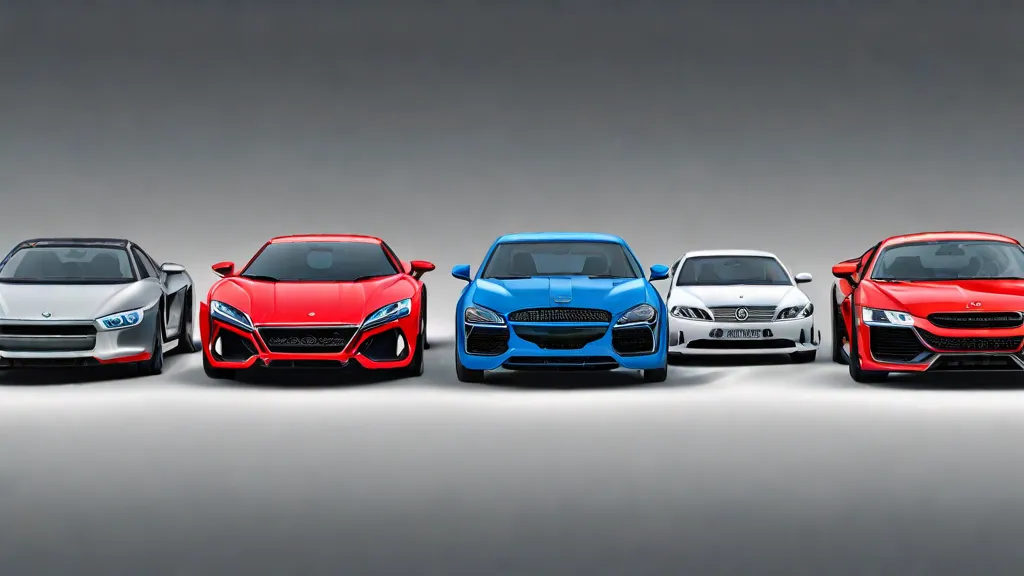
AI vehicle identification from a photo
Spotted a car you can't name? Upload a photo — or simply describe it — and the AI car identifier tells you what car it is: make, model, generation and year range, with the key specs and the design details that give it away.
Two ways to identify a car
- Photo: any angle works — front, rear, side or a close-up of the lights or grille. Street photos, screenshots and photos from a car show are all fine.
- Describe it: "small round retro Italian car with big round headlights" is often enough.
What you get
- Make, model and generation with a year range and a confidence level
- A reference card with a photo and summary of the model
- Specs: body style, typical engines and power, drivetrain and segment
- How to spot it: the 2–3 details that separate this generation from the one before and after
- Other possible matches when two models look alike
Tips for the best result
- Get the front or rear in the photo — lights and grilles change with every facelift
- Include badges or lettering if you can, even partially
- Mention the country where you saw it: many models are regional
- Not right? Add a hint and search again — the AI skips models it already suggested
Telling look-alike models apart
Many cars share platforms, or get a facelift that changes only the lights and bumpers. The AI looks at the small details that separate them:
- Facelifts: headlight shape, daytime running light pattern and bumper intakes usually change between the early and late years of a generation.
- Badge-engineered twins: cars sold under two brands, such as a Toyota and its Subaru or Mazda sibling, differ mainly in grille, logo and lights.
- Regional versions: the same model can have different names and styling in Europe, North America, Asia and Latin America.
- Trim levels: wheels, exhaust tips, spoilers and bumper styles hint at sport or luxury trims, though the exact trim is rarely certain from a photo.
Classic, rare and modified cars
Classic and vintage cars are often easier to identify than modern ones, because their shapes are more distinctive. For rare or heavily modified vehicles:
- Photograph the parts that are hardest to change: roofline, side windows and door shape.
- Include any badges, script or hood ornaments, even if they're partly missing.
- Mention where and when you saw it, such as a car show, a museum or a street in a particular country.
Car identifier vs reverse image search
A reverse image search finds pages that contain the same or a similar photo. That works for famous cars and press photos, but rarely for a picture you took yourself. An AI car identifier recognises the vehicle itself, so it works on your own street photos and screenshots, and explains which details point to the answer.
Works for every kind of vehicle
Everyday cars, classics and vintage cars, sports and supercars, SUVs, pickups, vans and motorcycles from all over the world — including models sold only in Asia, Europe or Latin America.